


How to deposit into casino via Bitcoin — guide for young players
Bitcoin deposits are older, simpler, and less mysterious than most guides admit
Most articles about Bitcoin casino deposits get the basics wrong. They treat Bitcoin as a novelty, when it has actually been used for online payments since 2009, after the launch of the Bitcoin network by the pseudonymous creator Satoshi Nakamoto. A Bitcoin deposit means sending BTC, the native currency of the Bitcoin blockchain, from your wallet to a casino’s deposit address. A wallet is software or hardware that stores your private keys, the credentials that let you move crypto. A blockchain is a public ledger that records transactions in blocks, linked in sequence.
For young players, the appeal is obvious: fast transfers, fewer banking intermediaries, and often lower friction than cards or bank wires. The catch is that Bitcoin is not reversible in the way a card payment can be disputed. Once a transaction is confirmed, it is final. That sounds harsh, but it is actually the reason many operators prefer it. The system reduces chargeback risk, and that can translate into smoother cashier flows.
To see how the wider gaming industry handles regulated content and game supply, https://vave-partners.com is a useful reference point alongside major suppliers such as Pragmatic Play.
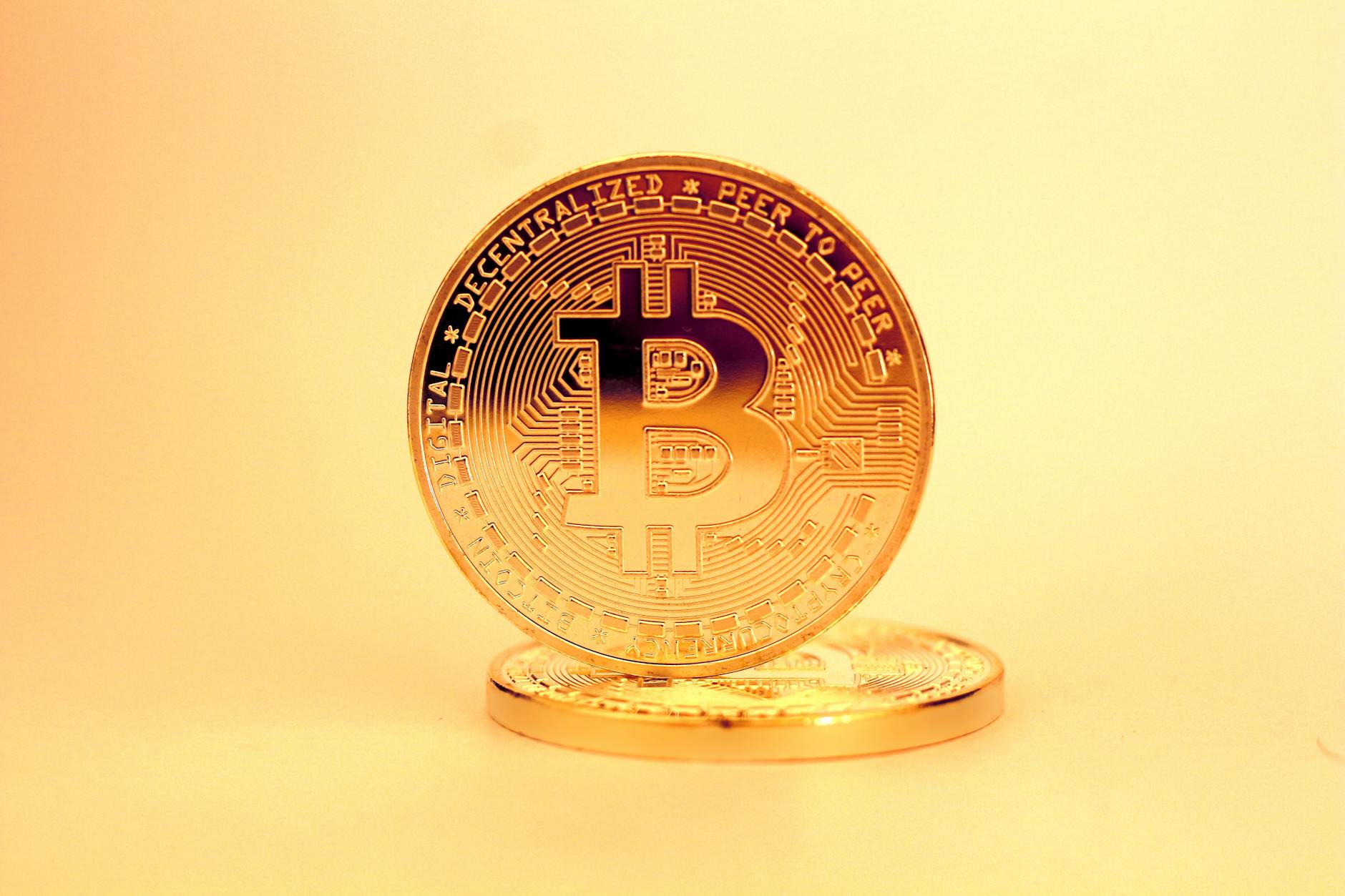
What you actually need before sending BTC to a casino
Before you deposit, define the moving parts. BTC is the currency unit. Network fee is the small payment to miners who process the transfer. Confirmation means the transaction has been included in the blockchain and recognized by the network. A casino may ask for one confirmation, three confirmations, or more before the funds appear in your balance.
Set up these essentials first:
- A Bitcoin wallet — a mobile app, desktop app, or hardware device that controls your BTC.
- Verified casino account — many regulated operators require identity checks before withdrawals, and sometimes before deposits.
- Enough BTC for the amount plus fee — sending exactly the deposit amount can fail if the network fee is not covered.
- Access to the correct network — Bitcoin deposits should go on the Bitcoin network, not another chain with a similar address format.
Here is the part most guides skip: Bitcoin prices move. If you plan to deposit the equivalent of 50 EUR, the BTC amount may change between the moment you open the cashier and the moment you send. That volatility is normal. Young players who treat crypto like a fixed-value bank transfer usually end up confused, then blame the casino instead of the asset.
“The address is not the balance. The address is the destination.” That simple rule prevents a lot of deposit mistakes.
How the deposit flow works in the cashier, step by step
A casino cashier is the payments area where you choose a method, enter an amount, and complete a transfer. The Bitcoin flow is usually short. Open the cashier, choose Bitcoin, enter the amount, and the site generates a unique deposit address or QR code. A QR code is a scannable image that encodes the payment address, so you do not have to copy it manually.
- Select Bitcoin in the cashier.
- Read the minimum deposit amount carefully.
- Copy the generated BTC address or scan the QR code.
- Paste the address into your wallet and confirm the transaction.
- Wait for the required confirmations.
There is usually one non-negotiable rule: send BTC only to a Bitcoin address issued by that casino session. Reusing an old address can work at some operators, but many generate fresh addresses for security and tracking. If the cashier shows a time limit, respect it. Crypto payment windows can expire, and an expired address may no longer match your intended deposit.
| Step | What it means | Common mistake |
|---|---|---|
| Choose Bitcoin | You tell the cashier you want to pay in BTC | Picking the wrong coin or network |
| Copy address | A unique destination for your transfer | Typing it manually and making an error |
| Send funds | Your wallet broadcasts the payment | Using too little for the fee |
| Wait for confirmation | The network validates the transfer | Expecting instant credit every time |
Why regulation, RTP, and age rules still matter when you pay with crypto
Bitcoin does not erase regulation. A licensed casino still follows rules on identity checks, anti-money laundering, and age verification. In the UK, the UK Gambling Commission sets standards for operators that serve British players. RTP, or return to player, is the theoretical long-term percentage a slot pays back over time. It is a game metric, not a deposit feature, but young players often confuse payment speed with game fairness.
Here is the clean way to think about it: Bitcoin can change how you fund the account, but it does not change the house edge, the slot RTP, or your legal obligations. If a casino asks for proof of age or source of funds, that is not a flaw in crypto. It is standard compliance. The stronger operators explain this clearly instead of hiding behind “instant and anonymous” marketing language, which is usually misleading.
One more practical point: some casinos process BTC deposits quickly but still delay withdrawals until manual review is complete. That is normal. A fast deposit does not guarantee a fast cashout. Young players who ignore that distinction usually get frustrated when the first half of the journey feels effortless and the second half does not.
Used properly, Bitcoin is a direct, efficient payment rail. Used carelessly, it is a permanent mistake machine. The difference is not the coin. It is the process.